Ask any educator in Ypsilanti about December, and you will hear the same thing: the last bell before winter break is one of the sweetest sounds of the year. Between EMU and the local school district, this is a town full of teachers, and that two-week stretch off the clock is precious.
Most people spend it indoors, dodging the bitter Michigan cold. As it happens, that is the exact recipe for recovering from a transformative skin treatment. CosMedic LaserMD finds that laser resurfacing recovery fits a teacher's winter break almost perfectly, turning ten quiet days at home into a fresh face for the new year.
What Is Laser Skin Resurfacing?
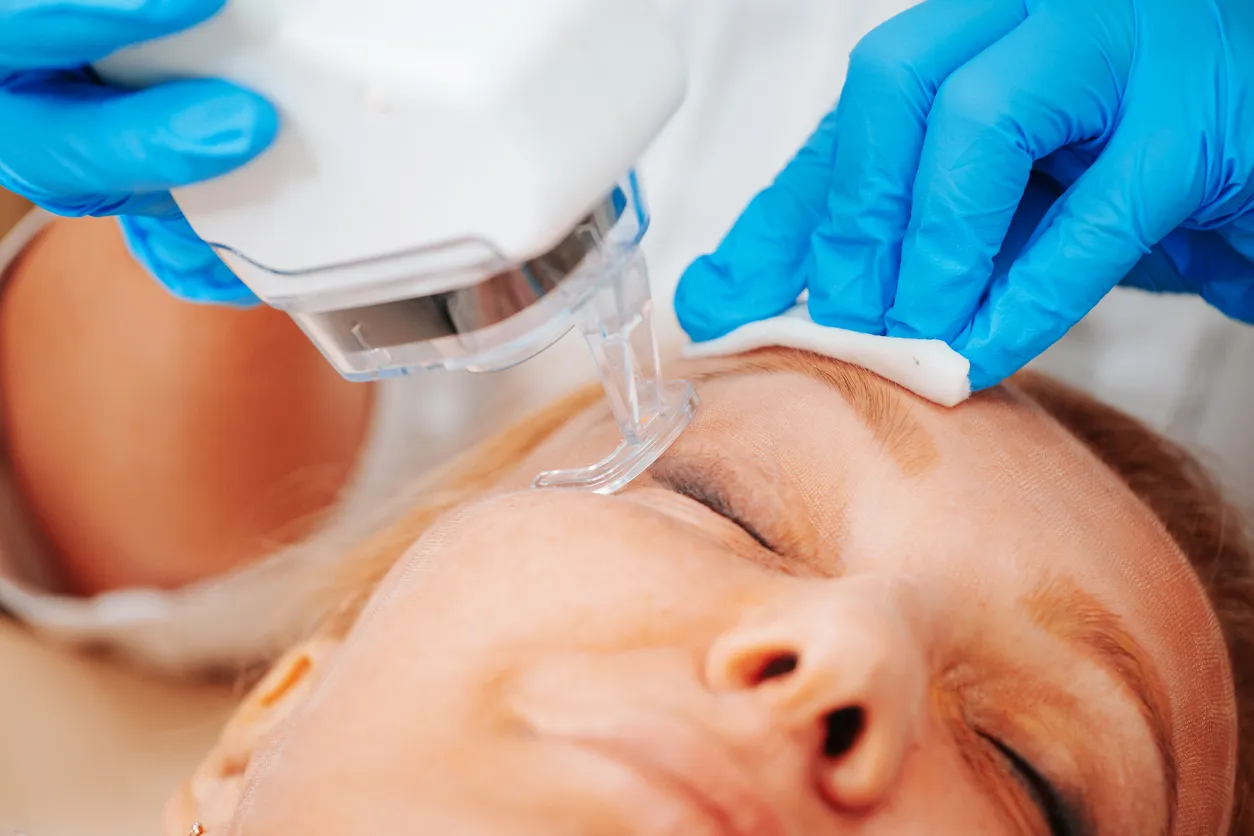
Laser skin resurfacing is a treatment that uses focused light energy to remove damaged outer skin and stimulate new collagen. A fractional laser treats microscopic columns of skin while leaving surrounding tissue intact, which speeds healing. The process reduces wrinkles, sun damage, and uneven texture, revealing smoother, firmer skin.
That clinical summary hides an emotional payoff. You have spent years watching sun spots and fine lines accumulate, promising yourself you would deal with them when life slowed down. For an Ypsilanti teacher, life slows down during winter break. Dr. Deepa Macha uses that window to perform meaningful resurfacing, so you walk back into the classroom in January looking rested and renewed rather than worn down.
Why Winter Break Is the Ideal Recovery Window
Resurfacing is powerful, and the deeper treatments ask for a recovery period known as social downtime, the stretch of days when your skin is visibly healing and you would rather not be in public. A two-week break solves that problem elegantly. The bitter cold keeps you indoors anyway, away from both prying eyes and the sun. Low winter UV protects the healing skin. And the school calendar hands you uninterrupted time to rest. Quiet days at home become healing days. Healing days become a January reveal.
Ablative and Non-Ablative Lasers: Understanding Your Options
Not all resurfacing is equal, and the difference comes down to how the laser treats the skin. Understanding the two approaches helps you match the treatment to your break.
| Approach | How it works | Typical social downtime | Best for |
|---|---|---|---|
| Non-ablative | Heats the deeper skin without removing the surface | Minimal, redness for a few days | Early signs of aging, lighter maintenance |
| Ablative | Removes the damaged outer layer for dramatic renewal | Longer, more involved healing | Deeper wrinkles and significant sun damage |
| Hybrid fractional | Combines both in one pass, as with the Sciton HALO | Moderate, often a few days to a week | Strong results with manageable recovery |
The Sciton HALO is a hybrid fractional laser, meaning it delivers ablative and non-ablative energy together for noticeable results with a recovery that can comfortably fit inside a winter break. Dr. Macha selects the right intensity for your skin and the time you have available.
How Fractional Laser Resurfacing Rebuilds Your Skin
The science is precise and self-repairing. The fractional laser creates microscopic treatment zones across the skin, leaving healthy tissue between them as a healing reservoir. Those untouched areas accelerate repair of the treated columns. As the skin heals, it sheds damaged surface cells carrying old sun spots, and the deeper heat signals fibroblasts to produce fresh collagen. New collagen firms and smooths the skin over the following weeks. Treated damage flakes away. Rebuilt collagen takes its place.
Your Winter Break Recovery Timeline
Knowing the day-by-day arc makes it easy to plan treatment around the break. Here is the general sequence, with specifics confirmed at your consultation.
- Treatment day, early in the break. Skin looks red and feels warm, similar to a strong sunburn.
- Days one to three. Swelling and redness peak, and the skin may take on a bronzed, sandpaper texture as it begins to turn over.
- Days four to six. The treated surface flakes and sheds while you stay cozy indoors.
- Days seven and beyond. Fresh, smoother skin emerges, and residual pinkness fades and becomes easy to cover.
- Back to school in January. You return with a renewed complexion as collagen keeps building for weeks.
Frequently Asked Questions
How long is the recovery from laser resurfacing?
It depends on the intensity. Non-ablative treatments may need only a few days of redness, while deeper ablative resurfacing requires more time. A hybrid option like the Sciton HALO often fits within a one to two week window, which is why it pairs so well with winter break.
Is laser resurfacing painful?
Dr. Macha applies a topical numbing cream before treatment, so most patients feel heat and a prickling sensation rather than sharp pain. The skin feels warm afterward, much like a sunburn, and that subsides over the first day.
Why is winter a good time for laser resurfacing in Michigan?
Healing skin is sensitive to ultraviolet light, and Michigan winters bring low UV and short days. Recovering indoors during the cold protects the new skin and lowers the risk of post-treatment pigmentation.
When will I see the final results?
Initial brightness appears once the skin finishes shedding, often within a week or two. Because the treatment stimulates collagen, your skin continues improving in firmness and texture over the following weeks and months.
Plan Your New-Year Skin at CosMedic LaserMD
That two-week break is too valuable to waste, and it doubles as the perfect recovery window. While the Ypsilanti cold keeps you inside, your skin can do its most dramatic work. Schedule your laser skin resurfacing consultation at CosMedic LaserMD on Jackson Road, and let Dr. Deepa Macha plan a treatment that has you walking back into the classroom with renewed, refreshed skin.
CosMedic LaserMD, physician-led laser skin resurfacing and skin rejuvenation for educators in Ypsilanti.